
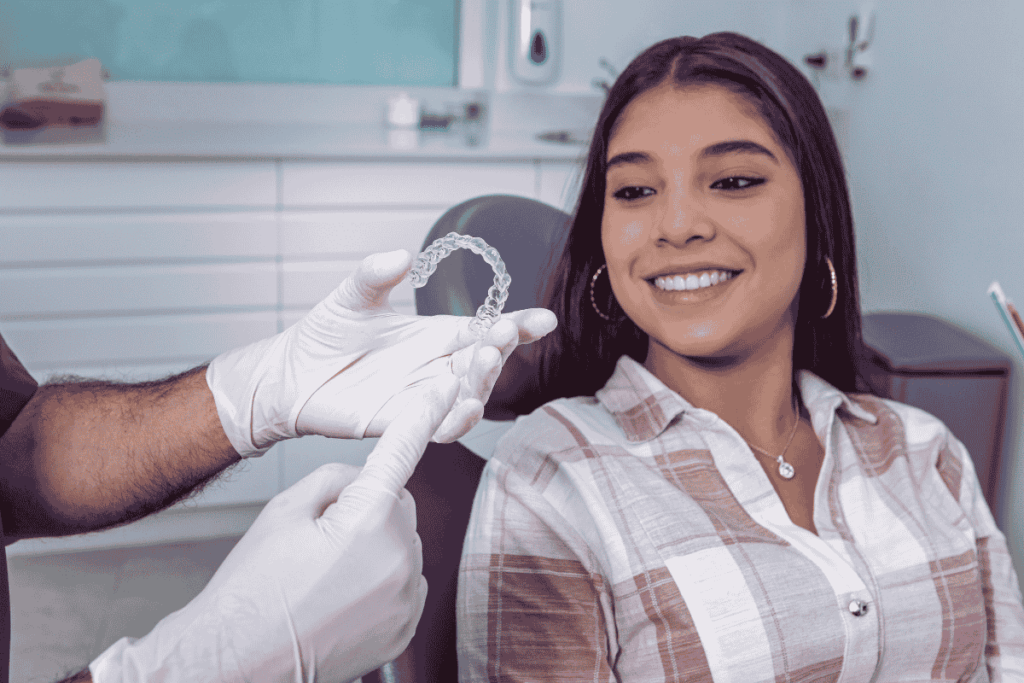
Invisalign has become one of the most popular orthodontic treatments, offering patients a comfortable, discreet alternative to braces. The aligners are custom-made, durable, and designed to guide your teeth through each stage of treatment. However, situations can arise where an aligner gets lost, damaged, or no longer fits as it should. Knowing when replacement is truly necessary—and what to do next—is an important part of keeping your treatment on track.
How Invisalign Aligners Are Made
Each Invisalign aligner is crafted from medical-grade thermoplastic, shaped specifically for your teeth at that stage of treatment. They are strong enough to withstand daily wear, but like any medical device, they are not indestructible. Cracks, warping, or loss of an aligner can happen, and quick action helps prevent treatment delays.
Common Reasons Aligners May Need Replacement
1. Lost Aligners
It’s surprisingly common for aligners to be misplaced—whether wrapped in a napkin at a restaurant, left behind on vacation, or accidentally thrown away.
2. Cracked or Broken Trays
Chewing on aligners, teeth grinding, or even normal wear and tear can sometimes cause a tray to crack or split. If it no longer fits securely, replacement is usually necessary.
3. Warped Aligners
Heat is a frequent culprit. Placing aligners in hot water, leaving them in a car, or cleaning them with improper solutions can cause distortion. A warped tray won’t guide your teeth correctly.
4. Poor Fit
If an aligner feels loose, shifts out of place, or no longer snaps in properly, it may not be doing its job. In many cases, your orthodontic provider will recommend a replacement.
When Replacement May Not Be Necessary
Not every issue requires ordering a new aligner. For example:
- Small scratches that don’t affect the fit.
- A minor crack where the aligner still holds its shape.
- Situations where you are very close to switching to the next aligner tray (determined by your orthodontist).
The key is always to check with your provider before making that decision yourself.
What to Do If You Need a Replacement
If your aligner is damaged or lost:
- Contact your orthodontic provider immediately. They will evaluate whether you should backtrack to the previous tray, move forward to the next, or order a replacement.
- Do not try to repair the tray. Glue, tape, or other at-home fixes can be unsafe and interfere with treatment.
- Follow instructions carefully. Sometimes, wearing the previous aligner temporarily is best until a replacement arrives.
Preventing the Need for Frequent Replacements
While accidents happen, good habits can minimize the risk of needing replacements:
- Always store aligners in their protective case when not in use.
- Keep them out of hot water and away from heat sources.
- Avoid chewing gum or eating with trays in.
- Do not leave them where pets or small children can reach them.
- Stick to the recommended wear schedule so they remain effective.
Why Professional Guidance Matters
Invisalign treatment is carefully mapped out using digital planning technology. Skipping a tray, wearing a damaged aligner, or delaying too long can interfere with progress. That’s why it’s important to rely on your orthodontic specialist to guide you on whether a replacement is truly necessary. With their expertise, you can be confident that your treatment remains on track and your smile continues to move as planned.
The Bottom Line
Needing to replace an Invisalign aligner is not unusual, and with quick action, it won’t derail your treatment. Whether the issue is a lost tray, a damaged aligner, or an unexpected fit concern, your provider can help you determine the right next step.
At Kleinrock Orthodontics, our orthodontic team is experienced in guiding patients through every stage of Invisalign treatment. From initial planning to managing aligner mishaps, we’re here to provide expert support and reassurance. If you’re currently in treatment and have questions about your aligners—or need advice on whether replacement is necessary—the best step is to contact our office.
Our Hewlett practice is proud to provide personalized orthodontic care for patients of all ages. Whether you need a replacement aligner or are considering Invisalign for the first time, we’re here to help you keep your treatment on track and your smile moving forward.