
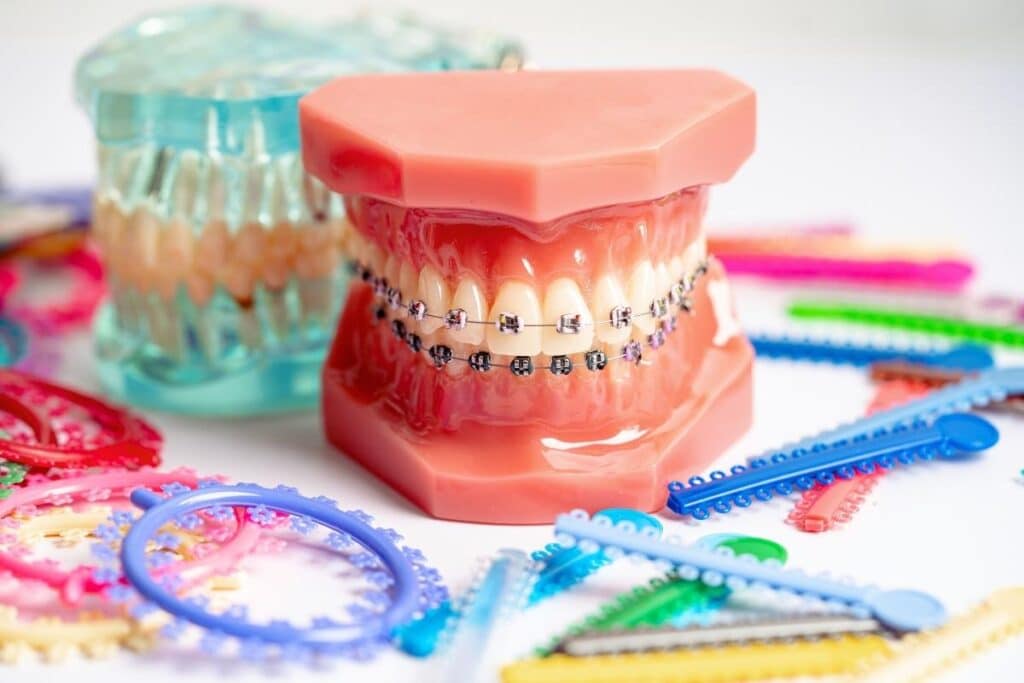
Straight Teeth Are Just the Beginning
When people hear the word “braces,” they usually picture metal brackets and wires working to straighten a smile. But braces are more than just a cosmetic fix, they’re a medically driven solution for correcting a wide range of dental and jaw-related issues that can affect everything from speech and chewing to long-term oral health.
You might be surprised to learn that many common dental problems—like difficulty chewing, excessive wear on teeth, or even frequent headaches—are caused by misalignment that braces are designed to treat.
Whether you’re a parent researching treatment options for your child, or an adult wondering if your bite is behind your dental discomfort, this guide explains exactly what braces can fix, why it matters, and what to expect.
Core Dental Problems Braces Can Solve
1. Crowding (Teeth Overlapping or Twisting)
When there isn’t enough room in the jaw, teeth can become crowded, leading to overlapping, twisting, or misaligned rows.
Risks of untreated crowding:
- Plaque buildup in tight areas
- Increased risk of tooth decay and gum disease
- Irregular wear on teeth
Braces help by applying gentle pressure to shift teeth into a healthier alignment with appropriate spacing.
2. Spacing and Gaps
Excess space between teeth may be natural or due to missing teeth, small tooth size, or tongue thrusting.
Common consequences:
- Food traps and higher cavity risk
- Aesthetic concerns
- Shifting of nearby teeth
Orthodontic approach: Braces close gaps and prevent future shifting or bite imbalances.
3. Overbite (Deep Bite)
When upper front teeth excessively overlap the lower front teeth, it’s called an overbite. This can cause:
- Worn or damaged lower teeth
- Jaw tension or TMJ pain
- Speech difficulty
Braces can realign both teeth and jaws to create a healthier bite relationship.
4. Underbite
Occurs when the lower teeth extend past the upper teeth. Often due to jaw positioning, an underbite can cause:
- Chewing difficulty
- Uneven facial appearance
- Tooth enamel erosion
Treatment often includes braces, elastics, and in some cases, orthopedic appliances to guide jaw growth.
5. Crossbite
A crossbite means that some upper teeth sit behind the lower ones when biting. This may happen on one or both sides of the mouth.
Untreated, it can lead to:
- Chipped or worn teeth
- Gum recession
- Jaw shifting
Braces combined with expanders or rubber bands can correct the bite and jaw alignment.
6. Open Bite
When upper and lower teeth don’t touch in the front (or sometimes in the back), it’s called an open bite—often caused by habits like thumb-sucking or tongue thrusting.
Complications include:
- Difficulty biting and chewing
- Speech distortions
- Jaw strain
Treatment may involve braces, habit-breaking appliances, and in growing patients, early orthopedic guidance.
7. Misaligned Midline or Bite
A shifted dental midline or an asymmetrical bite may not be obvious at first, but over time it can lead to:
- Facial asymmetry
- Bite stress on one side
- Joint or muscular strain
Braces adjust the midline and bite to improve symmetry and balance.
8. Impacted Teeth
When teeth don’t erupt properly (often canines), they can remain stuck in the jaw.
Orthodontic role:
- Creating space for the tooth to erupt
- Assisting with guided eruption using brackets and traction
Why This Matters: Braces Aren’t Just for Looks
Misaligned teeth or jaws don’t just impact your smile—they can affect speech, chewing, breathing, jaw comfort, and long-term tooth health.
Braces treatment helps to:
- Improve oral function
- Reduce abnormal enamel wear
- Promote healthier gum positioning
- Prevent the need for complex dental work in the future
When to Consider Braces
You or your child may benefit from braces if you’re experiencing any of the following:
- Crowded or overlapping teeth
- Frequent biting of the cheeks or lips
- Discomfort while chewing or biting into food
- Speech difficulties or unclear pronunciation
- Mouth breathing or signs of early tooth wear
These symptoms often indicate underlying alignment or bite issues that can be effectively treated with orthodontic care.
If you’re located in Hewlett, NY or nearby areas such as Lynbrook, Woodmere, Valley Stream, or East Rockaway, our office offers evaluations to help determine whether braces are the right solution for your needs. Book a consultation today and take the first step toward a healthier, more functional, and confident smile.