
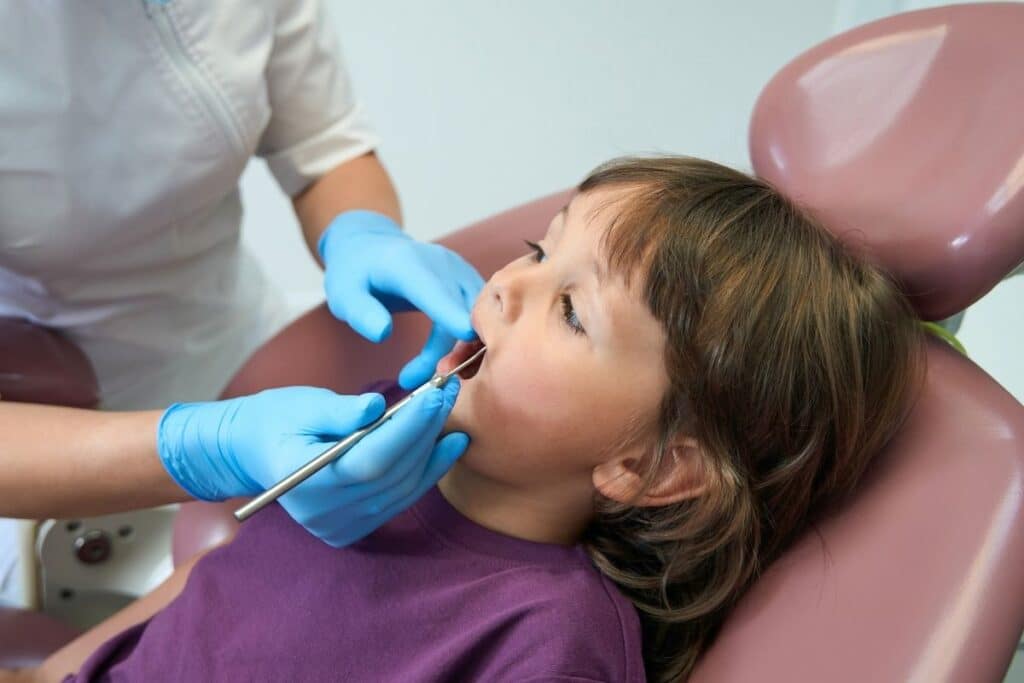
Mouth breathing in children is often overlooked. Many parents assume it is a temporary habit. In reality, it can signal deeper developmental concerns.
At Kleinrock Orthodontics, we often see children whose oral growth patterns reflect long-term mouth breathing. Early awareness helps families take appropriate action.
What Is Mouth Breathing in Children
Mouth breathing occurs when a child breathes through the mouth instead of the nose. This pattern may happen during sleep or throughout the day.
Occasional mouth breathing is common during colds or allergies. Persistent mouth breathing is different. It may affect facial development and oral health over time.
Common Signs Parents Should Watch For
Several physical and behavioral signs may point to chronic mouth breathing.
Children may sleep with their mouth open. Snoring or restless sleep is also common. Some children wake up tired despite adequate sleep. Daytime symptoms can include dry lips and bad breath. A child may struggle to keep their lips closed at rest. Speech patterns may also sound nasal or unclear.
Facial and Dental Changes Linked to Mouth Breathing
Long-term mouth breathing can influence facial growth. The jaw may appear narrow or recessed. The face can look longer than average. Dental changes may develop as well. Crowding often occurs due to limited jaw space. An open bite or crossbite may also appear. These changes tend to worsen without professional guidance.
Impact on Overall Health and Development
Mouth breathing may affect more than the smile. Poor sleep quality can influence focus and behavior. Some children experience frequent fatigue or irritability. Improper tongue posture may also affect swallowing patterns. Over time, this can contribute to alignment concerns. Early evaluation helps reduce these risks.
When an Orthodontic Evaluation Is Appropriate
Parents should consider an evaluation when mouth breathing continues beyond early childhood. This becomes more important if facial or dental changes are noticeable. At Kleinrock Orthodontics, we may work alongside other healthcare providers when airway concerns are present. This coordinated approach supports balanced growth and development.
An evaluation does not always result in immediate treatment. In many cases, we begin with careful monitoring over time. Families seeking guidance can schedule a consultation at our Hewlett office to better understand their child’s needs.
How Early Care Can Support Healthy Growth
Guided care during growth years can help direct jaw development. Proper spacing allows teeth to erupt more naturally. Early intervention may also improve breathing patterns. This supports better sleep and daily function.
Supporting Your Child at Home
Parents can observe breathing patterns during sleep. Noting posture and lip position during rest is also helpful. If concerns arise, professional guidance provides clarity. Timely evaluation helps families make informed decisions.
A Thoughtful Approach to Children’s Oral Development
Mouth breathing in children deserves attention. It is rarely just a habit. At Kleinrock Orthodontics in Hewlett, we emphasize education and careful observation. Our goal is to support healthy development through informed care. If you notice these signs, an evaluation can offer valuable insight.