
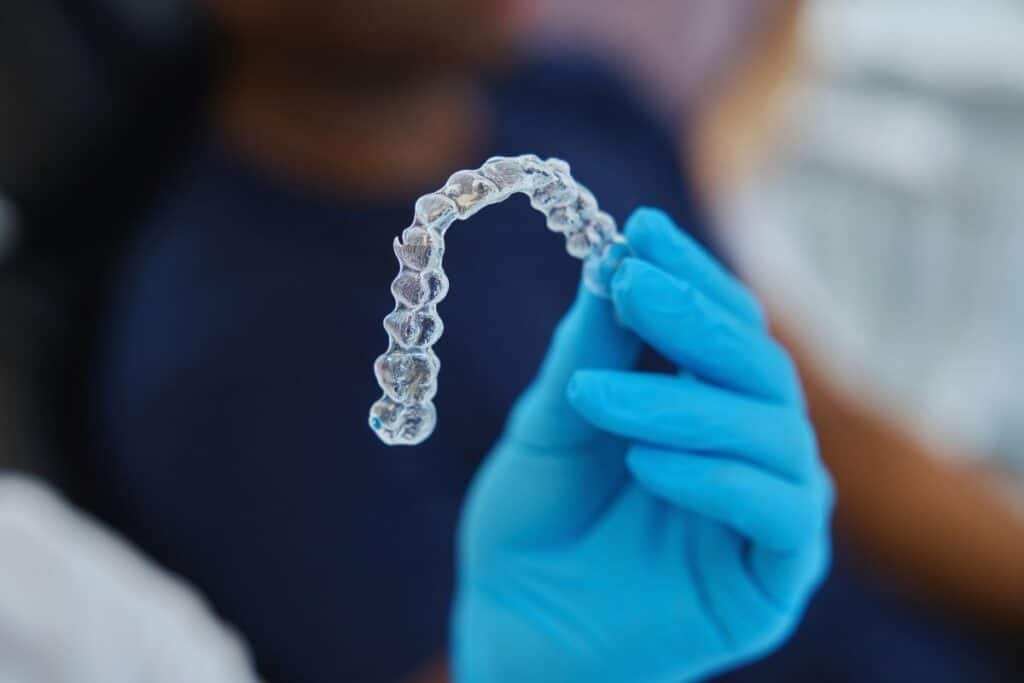
Wearing Invisalign is a commitment—not just to straightening your teeth but to taking care of the tools guiding the process. But how do you know when it’s time to replace a set? Many people begin noticing discomfort, looseness, or even subtle changes in how their smile looks, without realizing that the issue might be their aligners, not their progress.
If you’re wondering whether it’s just normal wear or something worth addressing, you’re not alone. This guide will walk you through the most common signs your aligners may need to be replaced, how to recognize them early, and what to do next.
1. Cracks, Warping, or Damage
Invisalign aligners are designed to be thin and flexible, but that also means they can wear down. Small cracks or bends in the plastic may not seem serious, but they can interfere with how pressure is applied to your teeth, which can ultimately delay or disrupt your treatment.
Signs to watch for:
- Visible hairline cracks
- Edges that feel sharp or uneven
- Warped or misshapen trays that don’t sit flush with your teeth
Why this matters: Any change in structure can reduce the aligner’s effectiveness or cause irritation to your gums.
2. Loose Fit or Gaps Between Teeth and Plastic
Each aligner is custom-fit for a specific stage in your treatment. If it feels too loose, or if there’s a visible gap between the plastic and your teeth, it could mean that the tray is no longer guiding your teeth as intended.
Common causes include:
- Material breakdown over time
- Accelerated tooth movement (either ahead or behind schedule)
- Improper seating after cleaning or insertion
Tip: Use chewies to reseat aligners—but if the gap persists, it’s time to get them checked.
3. Persistent Stains or Discoloration
Aligners are meant to be clear, but over time, they can pick up stains, especially if you sip coffee, tea, red wine, or colored sodas while wearing them. Brushing them can help, but discoloration is often hard to fully remove.
When staining becomes an issue:
- Aligners appear yellow or cloudy even after cleaning
- You notice a change in odor or taste
- You feel self-conscious wearing them in public
What it means: Persistent discoloration doesn’t just affect appearance—it may signal tiny surface damage where bacteria can build up, affecting oral hygiene.
4. Unpleasant Odor That Doesn’t Go Away
Even with regular cleaning, aligners can develop an odor. If the smell returns soon after brushing, this might suggest bacteria buildup in scratches or worn-out areas.
Hygiene flags:
- Odor returns within hours of cleaning
- You notice a lingering taste
- You’ve had the tray longer than its recommended wear time
Health link: Lingering bacteria may increase the risk of gum inflammation or cavities.
5. Wearing the Same Set for Too Long
Aligners are usually worn for 7–14 days per set. Life gets busy, and sometimes a new set gets delayed—but extending wear time too long can reduce progress.
How overuse can affect results:
- Teeth stop responding to the tray
- Pressure points fade away
- Tooth movement slows down or stalls
Watch out: If you’ve been wearing the same tray for over 3 weeks, it’s time to check in.
6. Lost or Broken Trays
This one’s simple. If your aligner is missing, chipped, or broken in half, don’t try to “make it work.” A replacement is the only solution.
What to do:
- Keep your previous tray if you still have it (as a temporary backup)
- Contact your provider as soon as possible
- Don’t try to skip ahead without professional advice.
7. Sudden Changes in Bite or Speech
If your aligners aren’t seated properly, you may start to notice changes in the way your teeth come together or how you speak. This can happen gradually and may be your first clue that something isn’t right.
Symptoms may include:
- Increased lisping or speech difficulty
- A change in your bite alignment
- Feeling like your teeth have shifted unexpectedly
How to Avoid Early Wear and Tear
While some wear is inevitable, good habits can help your aligners last their full expected cycle.
Best practices:
- Remove trays when eating or drinking anything but water
- Clean with a soft toothbrush and mild soap, not toothpaste
- Store in the case when not in use
- Avoid exposing them to hot water (which can cause warping)
When to Ask for Help
Sometimes it’s hard to tell if what you’re experiencing is normal or not. A quick check-in can help determine whether your trays are still doing their job or if they need to be replaced.
If you’re in or around Hewlett, NY, including neighboring communities like Woodmere, Lynbrook, East Rockaway, or Valley Stream, we’re here to help you stay on track with your smile goals.
Need a replacement or unsure if it’s time to switch trays? Schedule a quick consultation and get the clarity you need.