
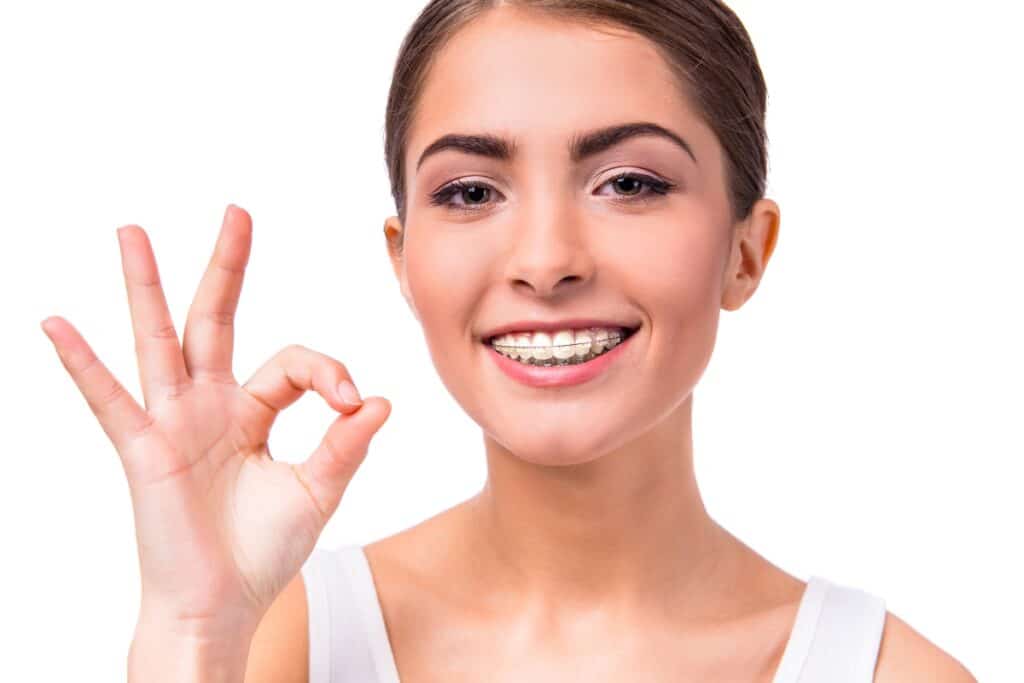
Correcting bite issues like an open bite or underbite is essential for oral health and aesthetics. Let’s dive into how braces can help!
Understanding Open Bite and Underbite Problems
An open bite occurs when the upper and lower teeth don’t meet when the mouth is closed. In contrast, an underbite is when the lower teeth extend beyond the upper teeth. Both issues can cause speech challenges, discomfort, and uneven wear on teeth.
Why Braces Are Ideal for Bite Correction
Braces are an effective treatment for many bite issues, as they apply continuous pressure to align teeth and jaws. They can correct complex bite problems that other treatments, like Invisalign in Hewlett, may struggle with.
Step-by-Step Guide to Fixing Open Bites and Underbites with Braces
Step 1: Initial Consultation and Assessment
During your first orthodontic visit, your orthodontist examines your bite to determine the type and severity of the issue. This consultation may include X-rays, impressions, and photographs, helping the orthodontist decide on a customized treatment plan.
Step 2: Selecting the Right Type of Braces
The orthodontist will choose the best braces for your bite correction. Options include traditional metal braces, ceramic braces, or even Invisalign in Hewlett for cases suited to aligners. Metal braces are often the top choice for complex bites due to their strength.
Step 3: Placement of Braces and Initial Adjustments
Once a treatment plan is in place, the braces are attached. This involves bonding brackets to each tooth and connecting them with a wire that applies pressure to reposition teeth. Your orthodontist will make periodic adjustments to the wires to maintain pressure.
Step 4: Correcting the Alignment of Teeth and Jaws
As treatment progresses, braces gradually shift teeth into proper positions. Open bites may require vertical adjustments to close gaps, while underbites often need horizontal adjustments. For severe cases, additional orthodontic tools like rubber bands or expanders might be necessary to help shift the jaw.
Step 5: Monitoring Progress with Regular Adjustments
Every few weeks, you’ll visit the orthodontist to adjust the wires and assess progress. These adjustments ensure your braces continue to work effectively. Regular check-ups also prevent any setbacks, keeping you on track to correct your bite efficiently.
Step 6: Final Adjustments and Removing the Braces
Once your open bite or underbite is corrected, your orthodontist will carefully remove the braces. Removal is a quick process and typically pain-free. You’ll notice an immediate improvement in your smile and bite.
Step 7: Retainers to Maintain Your New Smile
After braces come off, retainers keep your teeth and bite stable. Wearing a retainer, either at night or as instructed by your orthodontist, prevents teeth from shifting back to their original positions.
Why Correcting Bite Issues Matters
Correcting an open bite or underbite offers more than just aesthetic benefits. It improves chewing efficiency, reduces speech impediments, and prevents excessive wear on teeth. In severe cases, untreated bite issues can lead to jaw pain and even affect facial symmetry.
Braces vs. Invisalign: Which is Better for Bite Correction?
While Invisalign in Hewlett is an effective option for some, braces remain more reliable for complex bite issues. Invisalign can fix mild to moderate bite problems, but braces are generally preferred for severe open bites and underbites. Your orthodontist in Hewlett can recommend the best treatment option for you.
Conclusion
Correcting an open bite or underbite with braces is a step-by-step process requiring patience and commitment. But the results are worth it! Braces can transform not only your smile but also your overall oral health. With the right treatment plan, you’ll enjoy a beautifully aligned bite and the confidence that comes with it.