
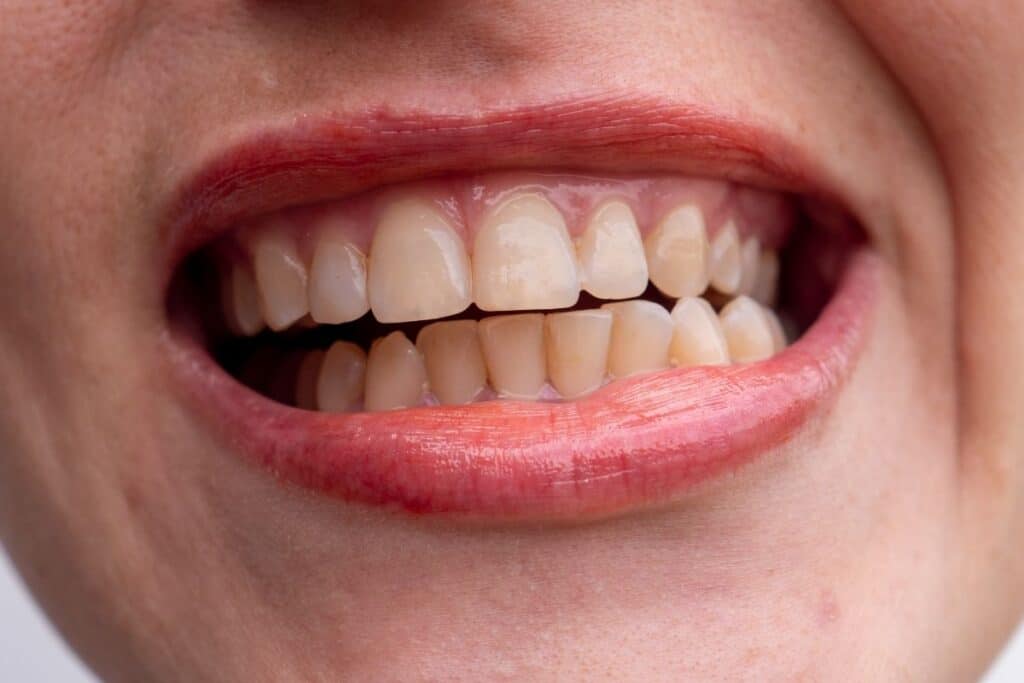
Crooked teeth are often associated with appearance, but alignment also plays a direct role in how teeth function. When teeth do not come together properly, it can change how pressure is distributed during everyday activities like chewing and speaking. Over time, this uneven pressure can contribute to tooth wear.
For many patients, the question is not just about straightening teeth but understanding whether misalignment can lead to long-term dental concerns.
For individuals and families in Hewlett and the Five Towns area of Long Island, access to orthodontic care is important when addressing alignment issues early. At Kleinrock Orthodontics, crooked teeth and bite concerns are evaluated with a focus on both function and long-term oral health. With Dr. Kleinrock and Dr. Zeppieri, treatment planning is centered on improving alignment in a way that supports proper bite balance and reduces unnecessary stress on teeth.
What Is Tooth Wear?
Tooth wear refers to the gradual loss of tooth structure. This can happen naturally over time, but certain conditions can accelerate the process.
There are different types of tooth wear:
- Attrition: Wear caused by tooth-to-tooth contact
- Abrasion: Wear from external factors like aggressive brushing
- Erosion: Wear caused by acids, often from diet or reflux
When teeth are properly aligned, wear tends to be more even and controlled. When alignment is off, certain teeth may take on more pressure than others.
How Crooked Teeth Affect Tooth Wear
Crooked or misaligned teeth can create uneven contact points when you bite or chew. This can cause specific teeth to experience more force than they are designed to handle.
Over time, this may result in:
- Flattened or worn-down tooth surfaces
- Chipping or minor fractures
- Increased sensitivity
- Uneven bite patterns
The risk is not immediate, but it develops gradually as the imbalance continues.
Bite Issues That Contribute to Wear
Certain types of misalignment are more likely to increase tooth wear risk.
Crowding
When teeth overlap or are positioned too closely, they may not align properly during chewing, leading to uneven pressure.
Crossbite
Teeth that sit inside or outside their normal position can create abnormal contact points.
Overbite or Underbite
When the upper and lower teeth do not meet correctly, certain areas may absorb more force over time.
These bite patterns can increase stress on specific teeth, accelerating wear in those areas.
Other Factors That Can Make Wear Worse
Crooked teeth are not the only factor involved. Tooth wear is often influenced by a combination of conditions.
These may include:
- Teeth grinding or clenching
- Diet that includes acidic foods and beverages
- Inconsistent oral hygiene
- Age-related changes in enamel
When misalignment is combined with these factors, the rate of wear can increase.
Can Orthodontic Treatment Help Reduce Tooth Wear?
Yes, in many cases, correcting alignment can help distribute biting forces more evenly across the teeth.
Orthodontic treatment may:
- Improve how teeth come together
- Reduce excessive pressure on certain teeth
- Support long-term preservation of tooth structure
Treatment does not reverse existing wear, but it can help prevent further damage.
At our office, treatment planning focuses on improving both alignment and function, helping reduce the risk of uneven wear over time.
When Should You Have Crooked Teeth Evaluated?
Not all crooked teeth lead to significant wear, but it is important to assess the risk early.
You may benefit from an evaluation if you notice:
- Uneven or flattened edges on teeth
- Increased sensitivity in certain areas
- Difficulty chewing evenly
- Teeth that appear to be shifting
- Jaw discomfort or fatigue
Early evaluation allows for a better understanding of whether treatment is needed and what options are available.
Why Early Assessment Matters
Tooth wear happens gradually, and many people do not notice it until it becomes more advanced.
By addressing alignment early:
- Pressure can be balanced across teeth
- Risk of long-term damage can be reduced
- Treatment may be simpler and more predictable
For children, teens, and adults, understanding how alignment affects function is an important part of maintaining oral health.
If you are concerned about crooked teeth or signs of tooth wear, a professional evaluation can provide clarity. Schedule a consultation with Kleinrock Orthodontics in Hewlett to assess your alignment and discuss your options.
Our office is located at 1705 Broadway, serving the Five Towns area of Long Island. You can also call (516) 845-9668 to speak with our team.
Crooked Teeth and Tooth Wear: What to Keep in Mind
Crooked teeth can increase the risk of uneven tooth wear by placing excess pressure on certain areas. While the effects may develop slowly, they can impact both function and long-term dental health.
Understanding the connection between alignment and wear helps you make informed decisions about treatment. With proper evaluation and care, it is possible to protect your teeth and maintain a more balanced, healthy smile.