
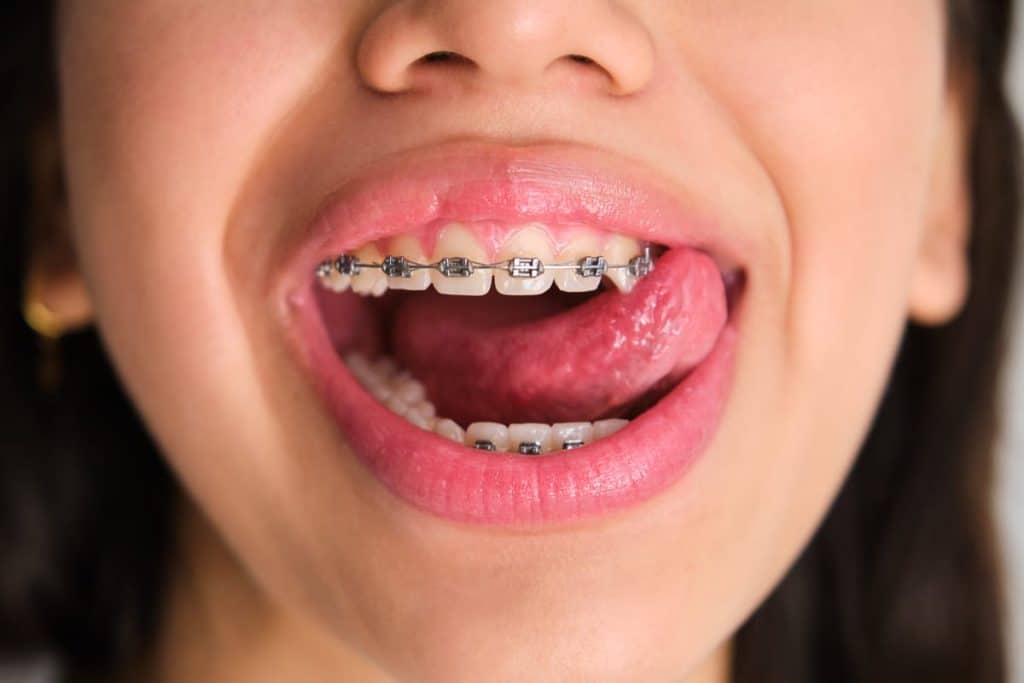
Many patients in Lynbrook, NY ask a surprisingly honest question: do braces results really last forever? It is one of the most important things orthodontists do not always explain upfront. The answer is both reassuring and realistic. Your results can absolutely last a lifetime — but only with the right habits and follow-through.
Dr. Seth Kleinrock at Kleinrock Orthodontics helps patients in Hewlett and the surrounding Lynbrook area understand the full picture. Straightening teeth is just the first step. Keeping them straight requires an ongoing commitment that starts the moment your braces come off.
Why Braces Results Do Not Always Last Forever
Teeth are not permanently fixed in place after orthodontic treatment ends. They sit in a living tissue called the periodontal ligament. That tissue naturally wants to shift teeth back toward their original positions over time.
This movement is called orthodontic relapse. It happens gradually and often goes unnoticed until the shift becomes visible. The good news is that relapse is almost entirely preventable.
Several common factors speed up relapse after braces:
- Skipping retainer wear after treatment ends
- Losing or breaking a retainer and not replacing it quickly
- Natural jaw growth during the teen and young adult years
- Teeth grinding or clenching habits
- Gum disease or bone loss affecting tooth stability
Understanding these risks is the first step toward protecting your investment. Patients in Lynbrook who stay proactive rarely experience significant relapse.
What Really Determines How Long Your Results Last in Lynbrook
The single biggest factor in lasting results is retainer compliance. Orthodontists recommend wearing a retainer every night indefinitely. This is not a temporary phase — it is a permanent habit for a permanent smile.
The type of retainer also matters. Fixed retainers bond directly to the back of your teeth. They work around the clock without any effort on your part. Removable retainers give you flexibility but require discipline to wear consistently.
Beyond retainers, your overall oral health plays a major role. Healthy gums and bone keep teeth anchored securely. Regular cleanings and checkups at your dental provider support long-term orthodontic stability.
Age is another factor. Younger patients may experience more natural shifting as their jaws continue to develop. This is why Dr. Seth Kleinrock monitors patients closely in the months following treatment completion.
How to Extend the Lifespan of Your Orthodontic Results
Taking a few simple steps dramatically extends how long your smile stays aligned. These habits are easy to build and pay off for decades.
- Wear your retainer every night. Do not skip nights, even occasionally.
- Replace damaged retainers immediately. Even a few weeks without one can cause shifting.
- Visit your dentist regularly. Cleanings every six months protect gum health and tooth stability.
- Address teeth grinding early. Ask about a nightguard if you clench or grind during sleep.
- Stay hydrated and maintain good nutrition. Strong bones support stable teeth over the long term.
Patients in the Lynbrook area who follow these steps consistently report minimal shifting years after finishing treatment. Small daily habits create lasting structural results.
The Role of Retainers: What Orthodontists Should Always Tell You
Retainers are not optional accessories. They are the final and most critical phase of orthodontic treatment. Many patients do not fully understand this when they first finish wearing braces.
There are two main types of retainers used after braces. Fixed retainers use a thin wire bonded behind your front teeth. Removable Hawley or clear retainers are worn at night and taken out during the day.
Both types work well when used correctly. The best retainer is the one you will actually use consistently. Dr. Seth Kleinrock will help Lynbrook patients choose the option that fits their lifestyle and compliance habits.
Over time, retainers can wear out or become ill-fitting. This is normal. Schedule a quick check if your retainer feels loose or tight. An adjustment or replacement keeps everything on track without major intervention.
Braces vs. Invisalign: Does the Treatment Type Affect Longevity?
Patients often wonder whether Invisalign results last as long as traditional braces results. The honest answer is that retention — not the appliance type — determines longevity.
Both braces and Invisalign move teeth through the same biological process. Once treatment ends, both require the same retainer commitment. Results from either treatment can last a lifetime with proper follow-through.
Teens who complete Invisalign for Teens at Kleinrock Orthodontics receive the same retainer guidance as braces patients. The pathway to lasting results is identical regardless of which treatment you choose.
What matters most is the quality of the original treatment plan and the dedication to retention afterward. That combination — expert care plus patient commitment — is the real formula for a permanent smile.
Protecting Your Smile for the Long Haul
Your orthodontic results represent months of patience and effort. Protecting them does not require much — just consistent daily habits and a reliable retainer. The patients who maintain the best long-term results are those who never stop wearing their retainers.
Dr. Seth Kleinrock and the team at Kleinrock Orthodontics are committed to educating every patient in Hewlett and the broader Lynbrook community about what comes after treatment. Straightening your smile is a milestone. Keeping it straight is the lifelong goal.
If you have questions about your retainer routine or want to check whether your post-treatment plan is still working, our team is here to help. Book Now to schedule your appointment with our team.
Frequently Asked Questions
Do braces results really last forever without a retainer?
No, braces results will not last forever without a retainer. Teeth naturally shift over time due to the elastic properties of the periodontal ligament. Consistent retainer wear — ideally every night — is essential to maintain your results long-term.
How soon do teeth shift after braces come off?
Teeth can begin shifting within days of finishing orthodontic treatment if a retainer is not worn. The first few months after braces are the most critical period. Wearing your retainer as directed prevents early relapse during this vulnerable window.
Is a fixed retainer better than a removable one for long-term results?
Both types can be equally effective when used correctly. Fixed retainers work continuously without any effort, which makes them reliable for patients who might forget to wear a removable option. Dr. Seth Kleinrock can help you determine which type suits your needs best.
Can teeth shift back even years after braces?
Yes, teeth can shift at any stage of life, even decades after completing orthodontic treatment. Aging, gum disease, and inconsistent retainer use all contribute to gradual movement. Lifelong retainer use is the most effective way to prevent long-term relapse.
What should I do if my retainer no longer fits properly?
Contact your orthodontist as soon as you notice a change in fit. A loose or tight retainer may indicate that some shifting has already occurred. Addressing it early with an adjustment or replacement prevents the need for more extensive retreatment later on.