
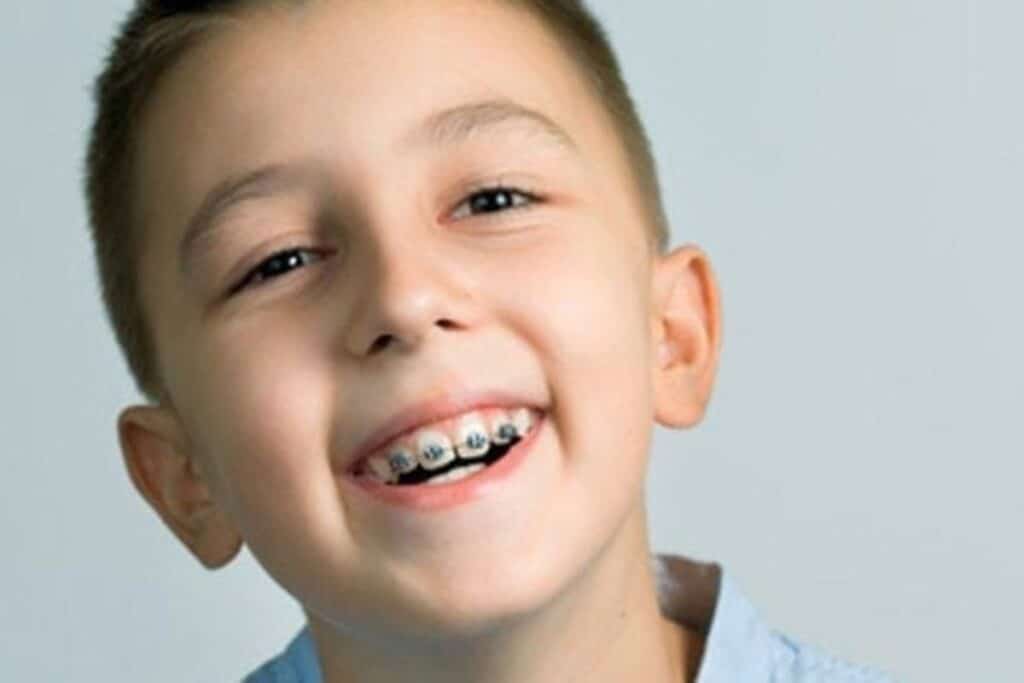
When your child’s teeth start looking crowded, overlapping, or out of place, it is natural to wonder what comes next. Will braces be necessary? Is your child old enough? Which treatment option will fit their routine, personality, and growing mouth?
Choosing orthodontic treatment is not simply about straightening teeth. For parents, it is about finding an approach that supports healthy development while fitting comfortably into school, sports, activities, and everyday family life.
If you are researching the Best Braces for Kids, start by looking beyond appearance. The right treatment depends on your child’s bite, jaw development, tooth position, age, oral hygiene, and ability to follow treatment instructions.
What Should Parents Know Before Choosing Braces?
There is no single orthodontic appliance that is right for every child. An orthodontist evaluates how the upper and lower teeth fit together, how the jaws are developing, and whether permanent teeth are erupting properly before recommending treatment.
The American Association of Orthodontists recommends that children have an orthodontic check-up no later than age seven. This does not mean every child needs braces at that age. An early evaluation can simply help an orthodontist identify developing concerns and determine whether treatment is needed now, later, or not at all.
Common Options for Children
Traditional metal braces
Metal braces remain a dependable option for correcting crowding, spacing, and bite concerns. They are particularly useful when consistent tooth movement is needed and may be a practical choice for children who are not ready to manage removable appliances.
Ceramic braces
Ceramic braces use tooth-colored or less noticeable brackets. They can provide an alternative for older children or teens who prefer a more discreet appearance.
Clear aligners
Clear aligners are removable trays designed to gradually move teeth. They can be convenient for children and teens who are responsible about wearing and caring for them. However, they are not automatically appropriate for every orthodontic concern.
Early orthodontic appliances
Some younger children may benefit from partial braces, expanders, or other appliances before full orthodontic treatment. These approaches can help address certain jaw-development, crossbite, crowding, or eruption concerns while a child is still growing.
How Do You Know Your Child May Need Orthodontic Care?
Parents may notice signs before a child does. Keep an eye out for:
- Teeth that overlap or appear unusually crowded
- Large spaces between teeth
- An overbite, underbite, or crossbite
- Difficulty biting or chewing comfortably
- Teeth that are slow to erupt
- Frequent cheek or roof-of-mouth biting
- A jaw that shifts when your child closes their mouth
- Front teeth that protrude noticeably
- Difficulty keeping certain teeth clean
- Persistent thumb or finger-sucking habits affecting tooth or jaw development
These concerns do not automatically mean your child needs braces. An orthodontic evaluation can determine what is actually happening beneath the surface and whether treatment would be helpful.
What Makes Orthodontic Care Easier for Kids?
The best treatment plan is one your child can realistically follow. Before starting, consider:
- Age and development: Treatment timing should match your child’s dental and jaw development.
- Daily responsibility: Removable aligners require children to wear and care for them as directed.
- Oral hygiene: Braces require careful brushing and cleaning around brackets and wires.
- School and activities: Ask how treatment may fit around sports, music, school events, and other activities.
- Comfort: Discuss what your child can expect after adjustments or when beginning a new appliance.
- Appointments: Choose an office that can accommodate your family’s schedule.
- Communication: Your child should feel comfortable asking questions and speaking up when something does not feel right.
A Local Approach for Families on Long Island’s South Shore
For families in Hewlett, Woodmere, Lawrence, Oceanside, Cedarhurst, Valley Stream, Lynbrook, Long Beach, Rockville Centre, and the surrounding Five Towns area, orthodontic care needs to work around real family schedules.
Kleinrock Orthodontics is located at 1705 Broadway in Hewlett and serves families throughout Nassau County’s South Shore. The practice offers early morning, evening, and weekend appointments, which can make orthodontic visits easier to coordinate around school and family commitments.
For busy families, convenient scheduling can make it easier to keep regular orthodontic appointments without constantly rearranging school, work, or extracurricular activities.
Questions Parents Should Ask Before Treatment
Before beginning Braces for Kids, consider asking the orthodontist:
- What orthodontic concern are we treating?
- Does my child need treatment now, or would monitoring be better?
- Which treatment options are appropriate for my child?
- How should my child care for their teeth during treatment?
- What should we expect during appointments and follow-up visits?
- How will treatment fit around sports and school activities?
- What happens if a bracket breaks or an appliance is lost?
- What will the estimated treatment timeline look like?
Having these conversations early can help parents and children feel more prepared and confident about the treatment process.
Frequently Asked Questions
When should my child first see an orthodontist?
The American Association of Orthodontists recommends an orthodontic check-up no later than age seven. An evaluation at this stage can identify developing problems and help determine the appropriate timing for treatment.
Does every child need braces?
No. Some children may not need treatment at all, while others may benefit from monitoring or early orthodontic care before full braces are considered. The right approach depends on individual development and orthodontic needs.
Are braces painful for children?
Children may experience temporary pressure, tenderness, or mild discomfort after braces are placed or adjusted. This usually improves as they become accustomed to treatment.
Can children play sports while wearing braces?
In most cases, yes. Children can continue participating in sports, but a properly fitted orthodontic mouthguard may be recommended to help protect the teeth, brackets, and soft tissues.
What happens at the first orthodontic appointment?
The orthodontist evaluates your child’s teeth, bite, jaw development, and overall orthodontic needs. The visit helps determine whether treatment is appropriate and, if so, when and how it should begin.
Give Your Child a Confident Start to Orthodontic Care
Starting orthodontic treatment is a big step for a child and a family. The right plan should address your child’s individual needs while making treatment manageable at home, school, and during everyday activities.
If you are wondering whether your child is ready for orthodontic treatment, Kleinrock Orthodontics can help you understand your options and determine the next step. Schedule an appointment today and give your child a healthy foundation for years to come.