
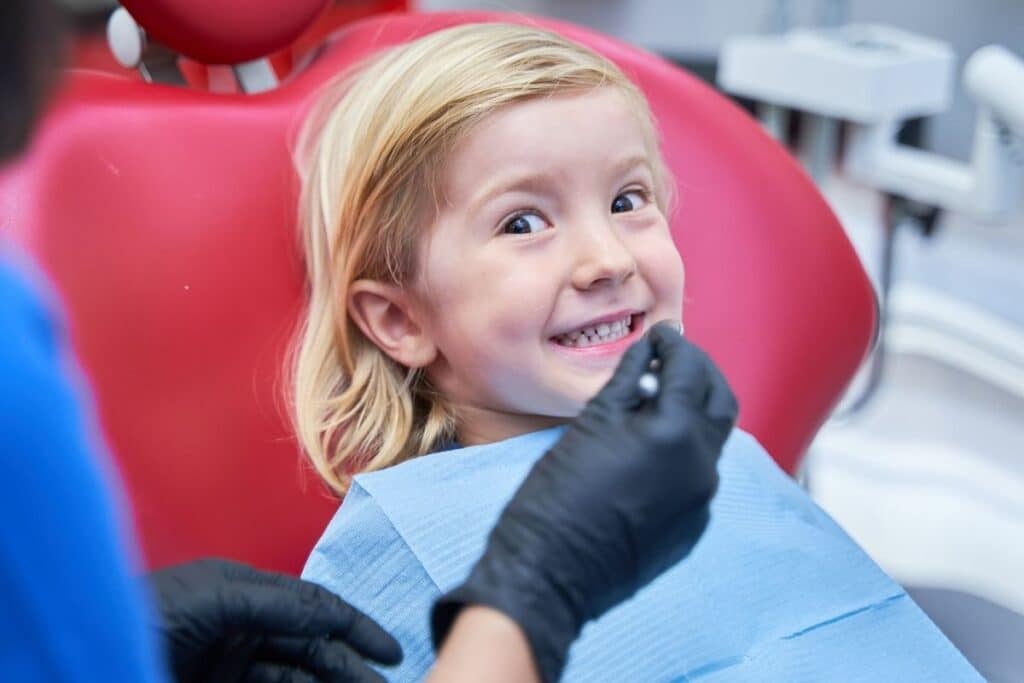
A child’s smile goes through important stages of growth and development. The transition from baby teeth to permanent teeth is not always predictable, and certain dental health concerns can begin to appear as early as age seven. Identifying these issues early allows an professional to guide proper jaw development, create space for incoming teeth, and reduce the likelihood of more complex treatment later.
Early orthodontic care focuses on monitoring growth and intervening promptly if alignment issues are visible. Understanding the advantages of early evaluation can make a meaningful difference in a child’s dental development.
What Is Early Orthodontic Treatment?
Early orthodontic treatment, often referred to as Phase 1 treatment, typically begins between ages 7 and 10 while a child still has a mix of baby and permanent teeth. At this stage, the jaw is still developing, which allows orthodontists to address structural concerns more effectively.
Phase 1 treatment may include appliances designed to:
- Guide jaw growth
- Correct crossbites
- Create space for erupting permanent teeth
- Address harmful oral habits such as thumb sucking
- Improve bite alignment
After Phase 1 is complete, children enter a resting period where the remaining permanent teeth erupt naturally. Phase 2 treatment usually begins during early adolescence and focuses on aligning the permanent teeth with braces or clear aligners.
At Kleinrock Orthodontics, we provide both early orthodontic treatment and Phase 2 treatment for children in Hewlett. Our team carefully monitors dental development and recommends intervention only when it provides measurable clinical benefit.
5 Long-Term Benefits of Early Orthodontic Intervention
1. Guides Proper Jaw Development
One of the primary benefits of early treatment is the ability to influence jaw growth. When discrepancies such as narrow upper jaws or underdeveloped arches are identified early, orthopedic appliances can help guide proper expansion and alignment.
Correcting jaw imbalances at a younger age can reduce the severity of bite problems and improve facial symmetry as a child grows.
2. Reduces Risk of Severe Crowding
Crowding often becomes apparent when permanent teeth begin to erupt. Early care can create the space needed for these teeth to come in more naturally.
Space maintainers or expanders may prevent impaction and reduce the need for tooth extractions later. While early treatment does not eliminate the possibility of future orthodontic care, it can simplify the second phase of treatment.
3. Corrects Bite Problems Early
Bite issues such as overbite, underbite, crossbite, and open bite can affect chewing efficiency and speech development. Addressing these concerns during childhood allows the orthodontic team to take advantage of active growth patterns.
Early correction may improve function and reduce abnormal tooth wear. It also supports better alignment when full braces or aligners are introduced during Phase 2.
4. Improves Oral Hygiene and Dental Health
Misaligned or crowded teeth can be difficult to clean properly. When spacing and alignment are improved early, brushing and flossing become more manageable.
Children with properly aligned teeth are less likely to experience plaque buildup in hard-to-reach areas. Early care supports better daily oral hygiene habits and helps maintain healthy gums.
5. Enhances Confidence During Developmental Years
Children can become self-conscious about noticeable bite problems or protruding teeth. Early treatment may improve the appearance of the smile during formative years.
Improved alignment can contribute to greater comfort when speaking, smiling, and interacting socially. While aesthetics are not the sole purpose of early treatment, they can positively influence self-perception.
When Should a Child See an Orthodontist?
The American Association of Orthodontists recommends an initial orthodontic evaluation by age seven. At this stage, the team can determine whether monitoring or early intervention is appropriate.
Not every child requires Phase 1 treatment. In many cases, regular observation visits allow the team to track growth and recommend treatment only when clinically necessary.
At Kleinrock Orthodontics, we provide comprehensive early orthodontic treatment and Phase 2 care for children in Hewlett. Our orthodontic team develops individualized treatment plans based on each child’s specific growth pattern and dental needs.
Contact our office today to schedule an early orthodontic consultation and learn how timely care can support your child’s developing smile.
Conclusion
Early orthodontic care plays a strategic role in guiding jaw growth, reducing crowding, correcting bite problems, and supporting oral hygiene during childhood. By evaluating dental development at the appropriate age, orthodontists can determine whether intervention will provide meaningful benefit.