
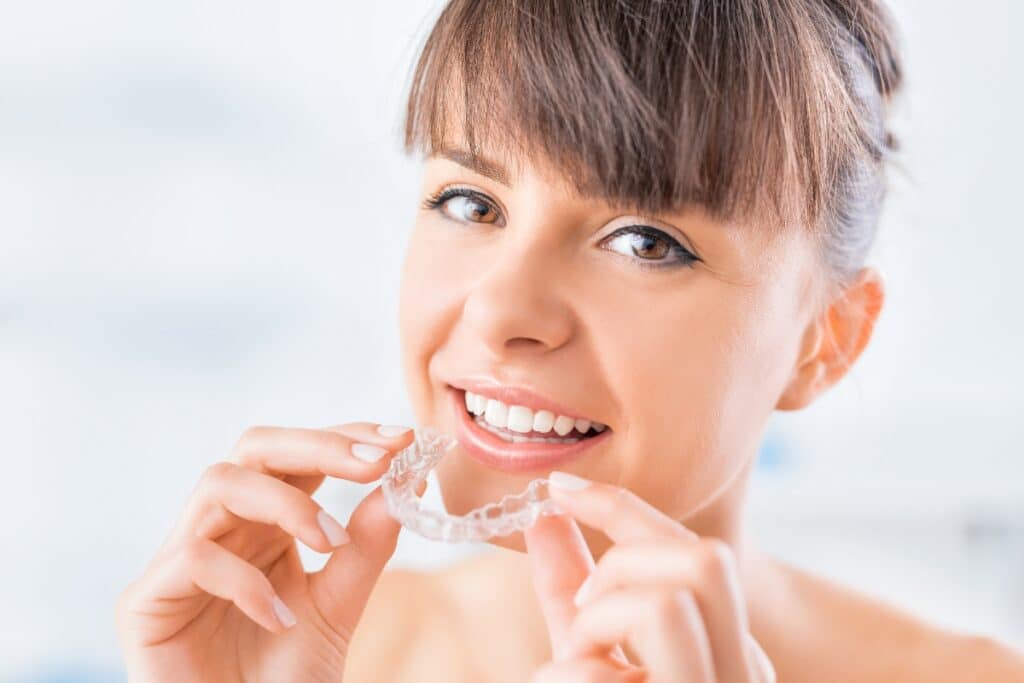
When it comes to teeth straightening for teens, parents and teens often face a big decision. Traditional braces have been the standard for years, but Invisalign offers a modern alternative with clear aligners. Deciding between the two can feel tricky. Here’s a breakdown to help you decide which orthodontic treatment best fits your teen’s lifestyle and needs.
Appearance: Clear Aligners vs. Metal Braces
One of the most noticeable differences between Invisalign and braces is their appearance. Traditional braces consist of metal brackets and wires, which can be quite visible. Some teens feel self-conscious about this, especially if they’re concerned about the impact on their smile during treatment.
In contrast, Invisalign uses clear aligners, also known as invisible braces. These aligners are transparent, making them almost invisible when worn. For teens who prioritize discretion, clear aligners offer a confidence boost by blending seamlessly with their natural smile.
Comfort and Convenience
Comfort is another factor that separates Invisalign from traditional braces. Metal braces are durable, but they can cause some discomfort, particularly after adjustments. The wires and brackets may also cause minor irritation to the inside of the mouth.
Invisalign, made from smooth plastic, provides a gentler experience with fewer points of irritation. Since they are custom-fitted to each teen’s teeth, clear aligners tend to be more comfortable to wear. Additionally, Invisalign aligners are removable, so teens can easily take them out when eating or brushing, making daily routines more convenient.
Eating Flexibility
One big advantage of Invisalign is that it comes with no food restrictions. Traditional braces require avoiding sticky, hard, or crunchy foods that could damage the brackets or wires.
With Invisalign, teens simply remove the aligners before meals, allowing them to enjoy all their favorite foods without limitations. After eating, they can brush and put their aligners back in. This flexibility makes Invisalign an attractive option for teens who don’t want to give up popcorn, gum, or other treats.
Maintenance and Hygiene
Good oral hygiene is essential during orthodontic treatment. With braces, maintaining cleanliness can be a challenge. Teens must carefully brush around brackets and wires and use special tools to clean effectively.
Invisalign simplifies hygiene because aligners are removable. Teens can easily brush and floss as they usually would without any obstructions. This ease of cleaning helps maintain better oral health and reduces the risk of plaque buildup around brackets.
Duration of Treatment
Both Invisalign and braces are effective for teeth straightening, but treatment times can vary. The time required depends on the complexity of the case, but braces often require around 18 to 24 months.
Invisalign treatment length is similar, but some cases may finish sooner if the teen is diligent about wearing their aligners. Since Invisalign aligners are replaced every few weeks, progress can be steady and predictable. For teens who stick closely to their schedule, Invisalign can be a relatively quick path to a straighter smile.
Effectiveness for Various Dental Issues
While both Invisalign and braces can treat a variety of orthodontic issues, some differences exist. Traditional braces are highly effective for severe cases involving complex alignment or bite problems. They provide strong, consistent pressure that can gradually correct even challenging dental issues.
Invisalign is effective for many common problems, like crowded or spaced teeth, but may not be suitable for all cases. Your orthodontist can assess whether clear aligners are right for your teen’s specific needs. This way, you can make an informed choice between Invisalign vs. traditional braces based on what will yield the best results.
Responsibility and Compliance
For Invisalign to work, teens must wear their aligners for about 20-22 hours daily. This responsibility requires a good deal of self-discipline, as forgetting to wear the aligners can extend treatment time.
Braces, on the other hand, are fixed, so there’s no option to remove them. They work consistently without needing daily reminders. If your teen is responsible and motivated, they may do well with Invisalign. For teens who might forget, braces could be the better choice.
Cost Considerations
The cost of orthodontic treatment varies depending on the type and duration of treatment. Generally, the cost of Invisalign is comparable to braces, but it may be slightly higher in some areas. Factors like insurance coverage and payment plans can help make either option affordable. Many orthodontists offer financing options that can work within a family’s budget.
Social and Confidence Boost
Teens often feel self-conscious about their appearance, especially when it comes to their smile. With traditional braces, teens may feel less confident, knowing that their braces are visible. This concern can affect social interactions and self-esteem, especially in settings like school and sports.
Invisalign, with its nearly invisible appearance, helps teens feel more confident as they work toward a straighter smile. The ability to take out aligners also means teens don’t have to worry about braces showing in photos, giving them a social confidence boost.
Final Thoughts: Which Should You Choose?
Both Invisalign and braces offer unique benefits, and the choice ultimately depends on your teen’s needs and lifestyle. If your teen wants a discreet, flexible, and comfortable option, Invisalign may be ideal. On the other hand, if they need consistent, hands-free orthodontic care, traditional braces could be the best fit.
For parents and teens considering orthodontic treatment, consulting with an orthodontist can provide valuable insights. A professional can help evaluate your teen’s specific needs and recommend the most suitable treatment. With options like Invisalign and braces available, your teen can embark on a successful teeth-straightening journey.