
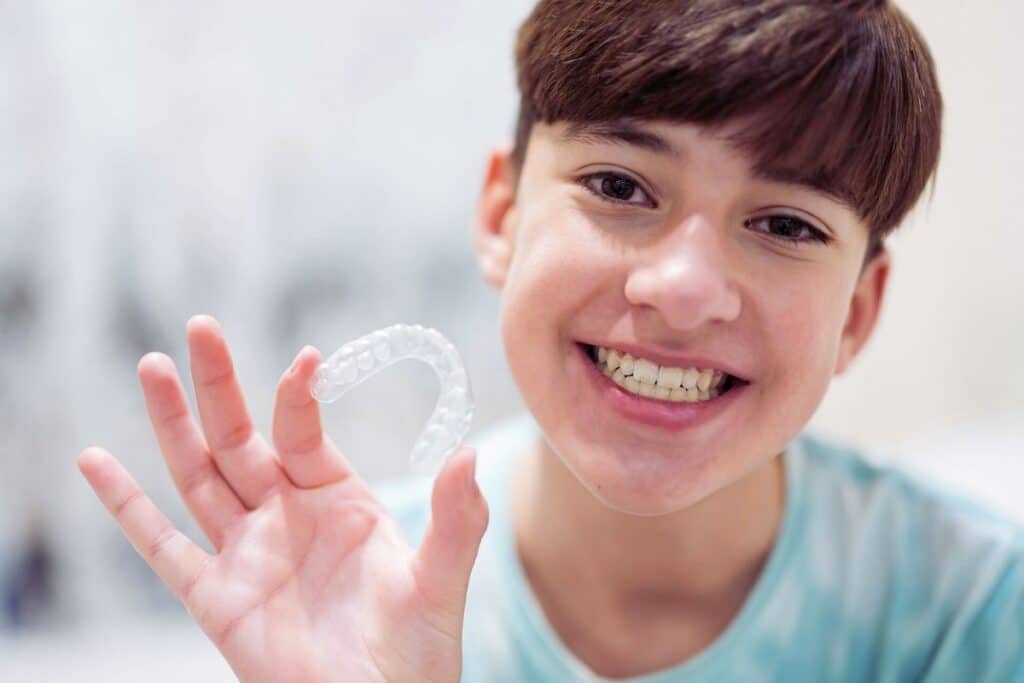
When your teen needs orthodontic care, it often brings up a mix of questions, concerns, and expectations. Parents want effective treatment that supports long-term oral health, while teens care deeply about comfort, appearance, and fitting in with their peers. Modern orthodontics has evolved to address both perspectives, offering solutions that align with busy schedules and social confidence.
This guide is designed to help parents understand how today’s aligner-based treatments work for teenagers, what sets them apart from traditional braces, and how to decide whether this approach fits your child’s needs.
Understanding orthodontic needs during the teen years
The teenage years are a common and ideal time to begin orthodontic treatment. By this stage, most permanent teeth have come in, yet the jaw is still developing, which allows orthodontists to guide alignment more efficiently. Teens may need treatment for crowding, spacing, bite issues, or shifting teeth caused by growth patterns.
What often makes teens hesitant is the visibility and lifestyle impact of metal braces. This is where Invisalign becomes relevant for families exploring more flexible orthodontic options. It uses a series of custom-made aligners designed to gently move teeth over time, without the brackets and wires that many teens worry about.
How aligner therapy works for teens
Aligner therapy relies on advanced digital planning. Each set of trays is created to move teeth in small, controlled steps. Teens wear the aligners for most of the day and switch to a new set every few weeks as directed by their orthodontist.
One feature designed specifically for adolescents is the inclusion of wear indicators. These small markers fade over time, helping parents and providers confirm that aligners are being worn as recommended. Since consistency plays a major role in success, this built-in accountability can be especially helpful for teens who are still developing daily habits.
Why teens and parents appreciate this option
For many families, the appeal lies in how seamlessly treatment fits into everyday life. The aligners are removable, which means teens can eat their favorite foods without restrictions and brush and floss normally. This supports better oral hygiene compared to traditional braces, where food particles can easily get trapped.
From a social standpoint, teens often feel more confident wearing nearly invisible trays. School photos, sports, presentations, and social events feel less stressful when orthodontic treatment does not draw attention. Parents also appreciate fewer emergency visits since there are no wires or brackets to break.
Is this treatment right for every teen?
While aligner-based care can address a wide range of orthodontic concerns, it is not a one-size-fits-all solution. Some complex bite or jaw issues may still require other orthodontic approaches. A professional evaluation is essential to determine suitability.
Another factor to consider is responsibility. Since the aligners are removable, success depends on consistent wear. Teens who are motivated and supported at home tend to do very well. Open communication between parents, teens, and the orthodontic team plays a key role throughout the process.
Teen Invisalign care at Kleinrock Orthodontics in Hewlett
Families in and around Hewlett often look for experienced providers who understand both the clinical and emotional aspects of teen orthodontic care. Kleinrock Orthodontics is known as a provider of teen Invisalign in Hewlett, offering personalized treatment plans based on each adolescent’s needs and lifestyle.
The practice focuses on education and guidance, helping teens understand why wearing aligners consistently matters. Parents are kept informed at every stage, creating a collaborative environment that supports positive outcomes and a smoother treatment journey.
What parents should know about daily life during treatment
Once teens adjust to wearing aligners, daily routines usually feel quite normal. There may be mild pressure when switching to a new set, which is a sign that the aligners are working. This sensation typically fades within a day or two.
Teens should remove aligners when eating or drinking anything other than water, then clean their teeth before putting them back in. Keeping track of aligners is important, especially during school hours or sports. Many families find that creating simple routines helps prevent lost trays and keeps treatment on schedule.
Preparing your teen for success
Parents play an important role in setting expectations. Discussing the purpose of treatment and involving teens in the decision-making process can increase motivation. Regular check-ins at home, along with scheduled orthodontic visits, help reinforce good habits.
It is also helpful to remind teens that orthodontic treatment is temporary, but the benefits last well into adulthood. A healthier bite and confident smile can positively influence oral health and self-esteem for years to come.
If you are exploring orthodontic options for your teenager, scheduling a professional consultation is the best next step. A personalized evaluation can clarify whether this approach aligns with your teen’s needs and lifestyle.
Final thoughts
Choosing orthodontic care for your teen is an investment in their health and confidence. Invisalign offers a modern approach that blends effective treatment with flexibility and discretion, which resonates with many families today. By understanding how the process works, what responsibilities are involved, and how providers support teens throughout treatment, parents can make informed decisions with confidence.