
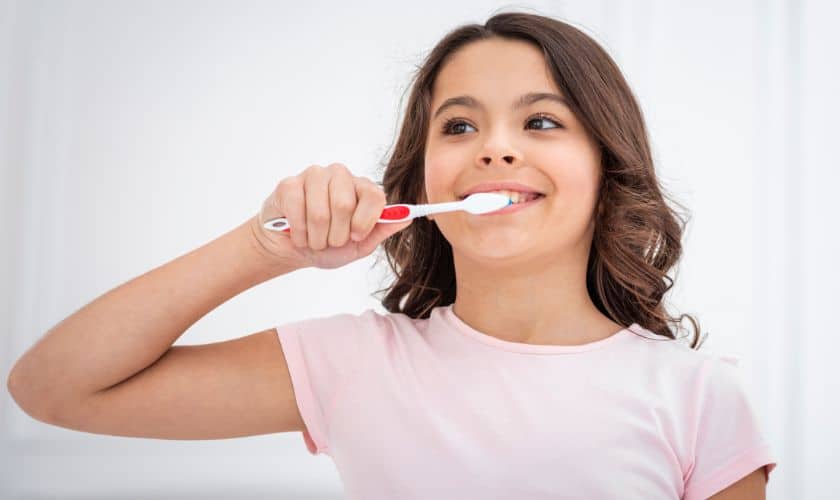
Are you someone who brushes their teeth twice a day? If yes, good for you! But have you ever wondered how often you should replace your toothbrush? Toothbrushes are an essential tool in maintaining good oral hygiene. However, they also accumulate bacteria over time which can harm our dental health. In this blog post, we’ll explore the different types of toothbrushes and answer the question that’s been on everyone’s mind: how often should we replace our trusty brushing buddy?
The Purpose Of A Toothbrush
When it comes to the purpose of a toothbrush, we all know that its primary function is to clean our teeth. But have you ever wondered how it works? The bristles on a toothbrush reach into the tight spaces between your teeth and remove plaque, bacteria, and food particles. By doing so, they prevent cavities and gum disease.
But there’s more! A toothbrush also helps stimulate blood flow in our gums which keeps them healthy and firm. Additionally, brushing with fluoride toothpaste strengthens our enamel which protects our teeth from decay.
Choosing the right toothbrush is essential for effective cleaning. There are two types of toothbrushes: manual and electric. Manual brushes come in different shapes, sizes, textures and bristle patterns while electric ones vibrate or rotate to remove plaque efficiently.
Proper brushing technique combined with regular dental visits can help keep your smile looking bright and healthy!
Types Of Toothbrushes
When it comes to toothbrushes, there are two main types: manual and electric. Manual toothbrushes have been around for centuries and are still the most common type of toothbrush used today. They come in a variety of shapes, sizes, and bristle strengths.
Electric toothbrushes, on the other hand, use battery power or rechargeable batteries to move the brush head back and forth rapidly. This motion helps remove plaque more effectively than manual brushing.
Within each category of toothbrushes, there are also further options to consider. For example, some manual toothbrushes have angled heads that make it easier to reach all areas of your mouth while others have soft bristles that are gentle on sensitive teeth and gums.
Meanwhile, some electric toothbrushes allow you to adjust their speed or intensity levels based on your personal preferences or dental needs.
Ultimately, choosing between different types of toothbrushes depends largely on personal preference as well as any specific dental concerns you may have. It’s important to consult with your dentist if you’re unsure which type is right for you.
How Often Should You Replace Your Toothbrush?
When it comes to oral care, replacing your toothbrush is a crucial aspect of maintaining good dental hygiene. But how often should you replace your toothbrush? The American Dental Association recommends that you should replace your toothbrush every three to four months, or sooner if the bristles become frayed.
If you’ve been sick with an illness like the flu or a cold, it’s important to replace your toothbrush as soon as possible after recovery. Bacteria and viruses can linger on the bristles even after washing with water and toothpaste.
It’s also worth noting that using an old or worn-out brush can be ineffective at removing plaque from teeth and gums. This can lead to gum disease and other dental problems over time.
In addition to regular replacement, consider upgrading your manual brush for an electric one which has proven more effective in cleaning areas difficult for manual brushes such as tight spaces between teeth.
By keeping up with regular replacements, you’ll ensure that your brushing routine is effective in promoting healthy teeth and gums!
The Bottom Line
In summary, taking good care of our teeth is essential to maintaining oral health. One crucial aspect of dental hygiene is the toothbrush we use and how often we replace it. It’s vital to understand that a worn-out toothbrush may not clean your teeth as effectively as a new one, leading to dental problems in the long run.
The American Dental Association recommends replacing your toothbrush every three to four months or sooner if the bristles become frayed. It’s also advisable to change your brush after an illness or infection like strep throat.
While some people may be tempted to stretch their brushes’ lifespan beyond what’s recommended, doing so could lead to more harm than good. Therefore, it’s best always to ensure you have a fresh toothbrush on hand and swap them out regularly for optimal oral hygiene.
So next time you’re brushing your teeth, remember that freshness matters when it comes down to keeping those pearly whites healthy!