
Are you one of those people who only brush their teeth and skip the flossing? Well, it’s time to change that habit! Flossing is an essential part of your oral hygiene routine that offers numerous benefits for your teeth and gums. In this blog post, we’ll dive into why you should make flossing a daily habit. From preventing cavities to improving gum health, we’ll cover it all! So grab your dental floss and let’s get started!
Flossing Benefits Your Teeth And Gums
Flossing is not just about removing food particles stuck between your teeth. It offers numerous benefits for your oral health that you may not be aware of.
Firstly, flossing helps remove plaque and bacteria that build up on the surface of your teeth. The bristles of your toothbrush can’t reach all the tight spaces in between, but floss can get in there and clean them out!
By removing plaque and bacteria, you reduce your risk of developing cavities or gum disease. These dental problems are painful to deal with and often require costly treatments.
Regular flossing also improves blood circulation in your gums, which keeps them healthy and strong. Strong gums help anchor teeth firmly to avoid gum recession or tooth loss.
In summary, incorporating daily flossing into your oral hygiene routine has many benefits beyond fresh breath!
How To Floss?
Flossing is an essential part of maintaining good oral hygiene. When it comes to flossing, many people are not sure how to do it properly. Here’s a step-by-step guide on how to floss correctly.
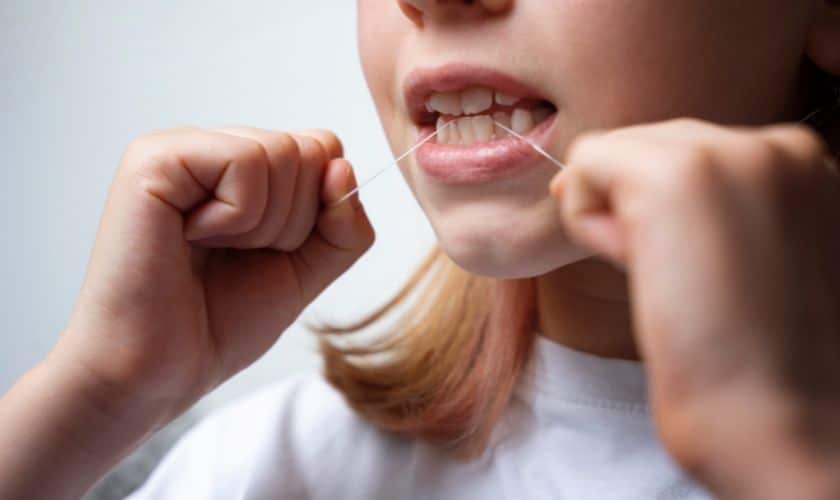
Firstly, take about 18 inches of floss and wind most of it around one of your fingers. Wind the remaining floss around the same finger on the opposite hand. This finger will be used to take up the used floss as you move through your mouth.
Hold the dental floss tightly between your thumbs and forefingers and gently slide it down between your teeth using a rubbing motion. Be careful not to snap or force the floss into place as this can damage delicate gum tissue.
When you reach the gum line, curve the floss into a C shape against one tooth until you feel resistance from the gumline. Hold the dental floss against each tooth with gentle pressure and scrape up and down several times along each side of every tooth.
Be sure to use a fresh section of dental floss for every tooth so that bacteria isn’t transferred from one area in your mouth to another.
By following these simple steps, you’ll be able to effectively remove plaque buildup that brushing alone cannot get rid off – leading towards better oral health!
When To Floss?
When it comes to flossing, timing is everything. But when exactly should you be flossing? The answer may surprise you.
Some people prefer to floss before they brush their teeth, while others prefer to do so after brushing. Ultimately, the most important thing is that you make a habit of flossing regularly.
It’s recommended that you floss at least once per day, preferably before bed. This gives your mouth a chance to get rid of any food particles or bacteria that may have accumulated throughout the day.
If you find yourself struggling with bad breath or bleeding gums, it may be time to up your flossing game. Focusing on problem areas and making sure to remove as much plaque as possible can help improve overall oral health.
Ultimately, the best time to floss is whenever it fits into your daily routine. Whether it’s in the morning or at night, consistency is what matters most for maintaining healthy teeth and gums.
The Bottom Line
Flossing is an essential part of good oral hygiene. The benefits of flossing go beyond just removing food particles from between your teeth. Flossing can also prevent gum disease and tooth decay, leading to better overall health.
Remember to floss at least once a day using the proper technique, and make it a regular habit in your dental routine. If you have trouble remembering or find it difficult to do on your own, ask your dentist for advice.
By taking care of our teeth and gums through proper brushing, flossing and regular check-ups with the dentist, we are investing in our long-term health. So don’t forget to make flossing a part of that investment!